
Consumer Durables Green Marketing: The Delicate Dance Between Commerce & Conscience
Consumer durable brands in India are increasingly recognizing the importance of sustainability and must use every communication trick both in the book and outside it, to rise to the top of the socially responsible consumer’s mind.

Walk down an aisle of an electronics store today, and you’ll be forgiven for wondering if you are strolling along a leafy boulevard. Washing machines and refrigerators are abloom with stickers of leaves and flowers, ACs and microwaves with infographics waxing eloquent about sustainable practices, and salesmen with rosy promises of how much water and power you save. You’re not just buying an oven. You’re saving the Earth.
The Green Marketing wave, which started in the late 80s and was considered an elite fad, is now an essential tool for brands in the consumer durables landscape. Advancements in technology and innovation have made sustainable practices more cost-effective. But still, most consumers are more concerned about saving money rather than saving the planet, and it is hard to tell which products are good or bad ethically. And that in the current scenario, they believe that the onus of providing sustainable solutions lies with brands. Brands must now take on the mantle of being the guardians of the galaxy.
What Brands Need To Do
We’re all eco-warriors now. We’re being educated. Shopping is all about accountability, carbon neutrality, and reduced emissions. But try forwarding this article to your mum and she’ll scoff. She’ll remind you of the microwave and hair dryer she bought from a smugglers’ market on her trip to Calcutta 40 years ago. They’re still running. No problem. Better than your fancy double door eco-friendly nonsense that you need to replace every 5 years. No eco-certification label and circular economy narrative can convince her otherwise. Admit it. She kind of knows what she’s talking about. Product lifespan is critical to sustainability. The environmental and economic implications of a throwaway culture are enormous and completely defeat the purpose of sustainable marketing.
Products must be built to last. Integrating durable materials with advanced manufacturing techniques, superior testing, and quality assurance is way more important than leaf-shaped stickers. Robust return, recycling, and repair strategies are critical to address two of the burning platforms for electronics and durable industries – reduction in carbon footprint and pollution from waste.
Green Marketing Best Practices
Some brands around the world are leading the way in sustainability, not just in advertising or promotions, but in design, manufacturing, distribution, and packaging as well. Here are a few of our favourites.
1. Ecofriendly materials and energy saving manufacturing processes – Samsung
Samsung’s going big on sustainability, both in terms of what it makes and how it makes it. According to their 2025 Sustainability Report, by 2024, nearly a third of the plastic in its products will be recycled, and it’s aiming for 100% by 2050. They’re even turning old fishing nets and water bottles into parts for TVs and appliances. On the production side, Samsung cut product power use by over 30% and shifted most of its factories to renewable energy. It’s a solid two-pronged effort: greener products and cleaner production.

2. Improved energy efficiency of products – Philips & Havells
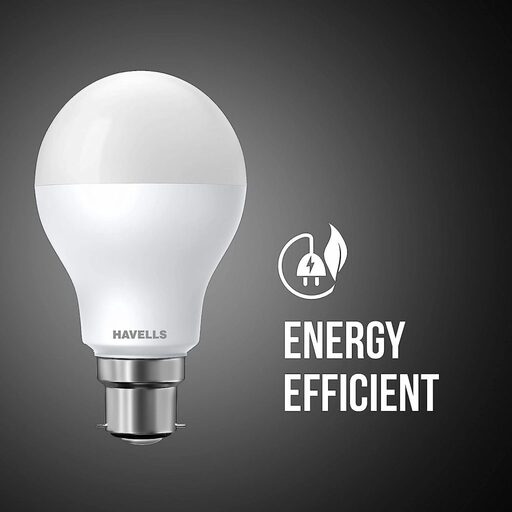
Philips’ latest monitors come with top energy ratings and smart sensors that dim the screen when you’re not around, cutting power use by up to 80%. They also offer 5-year warranties to make products last longer and reduce e-waste. In India, Havells is following suit, with 70% of its products now designed to be energy-efficient, including LED lights and BLDC fans that use up to 60% less power. Bottom line: these brands help you save on bills while being kinder to the planet.
3. Sustainable materials, responsible sourcing & fair labor practices – IKEA
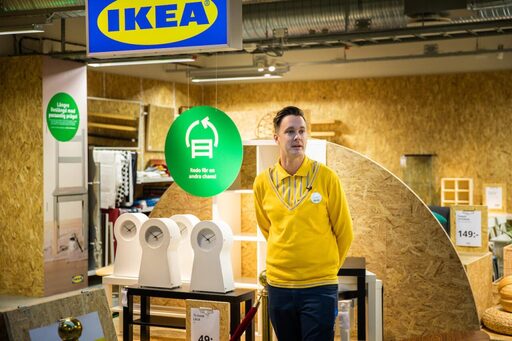
The Swedish home furnishings pioneer IKEA is going all-in on sustainability as well. By 2030, it plans to make all products using only recycled or renewable materials, no more new plastic or unsustainable wood. Already, over 98% of its wood is FSC-certified or recycled, and all its cotton is sustainably sourced. They’re even using cool materials like mushroom packaging and bamboo. The IKEA Foundation also supports clean energy and community projects. Plus, they’ve launched buy-back and rental services to give furniture a second life. The big goal? Cut IKEA’s overall climate footprint in half by 2030, without slowing down business growth.
4. Use of durable, recycled materials in luggage – Away
Away, a trendy luggage brand, has made sustainability one of its key journeys. Luggage needs to be tough, and Away is ensuring its suitcases are built to last and are also built from recycled materials. They’re making luggage that’s better for the planet. They’ve started using recycled materials in their suitcases, cut down on plastic in their packaging, and are aiming to use 100% sustainable materials in the future. Plus, they offer a lifetime warranty to encourage repairs over replacements.

But for every brand that is doing the right thing, there is another for whom ‘greenwashing’ is an accepted practice. Presenting information in a way that makes it seem more environmentally responsible than it actually is, aiming to capitalize on the growing consumer demand for eco-friendly and sustainable products. So, with every ad, brochure, social post, billboard, and press release, every eco-friendly innovation, every commitment to ethical practices, and every community impact initiative, truly sustainable brands must try doubly hard not just to sell but also educate. Mere emotional appeals, token gestures, cherry-picking data, misleading marketing claims, and false certifications offer only short-term benefits.
Consumer durable brands that strive for long-term viability must aim not just to adorn every individual home but also to nurture the Earth we all call home. The green halo is the new gold standard.